
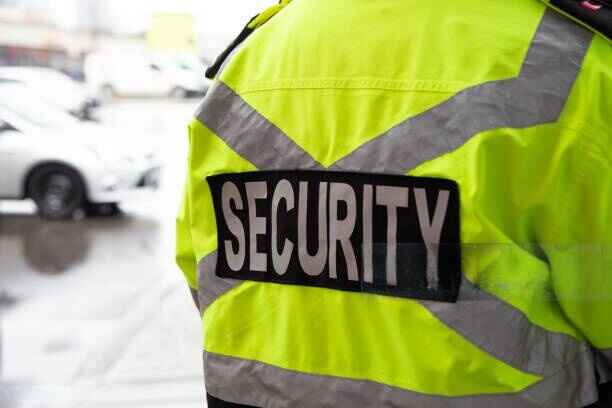
Risk management is a critical component of effective security guard services. In today’s unpredictable environment, businesses, residential communities, and event organizers rely heavily on trained security personnel to identify, assess, and mitigate potential risks. A well-structured risk management approach not only enhances safety but also ensures smooth operations and peace of mind for all stakeholders.
Understanding Risk Management in Security
Risk management in security guard services involves identifying potential threats, evaluating their likelihood and impact, and implementing strategies to prevent or respond to them. These risks can range from theft, vandalism, and unauthorized access to emergencies such as fires or medical incidents. Security guards play a frontline role in recognizing these risks and acting swiftly to minimize damage.
By adopting proactive risk management practices, security teams can prevent incidents before they escalate, reducing both financial losses and reputational damage.
Enhancing Safety and Protection
One of the primary benefits of risk management is improved safety. Security guards are trained to monitor surroundings, detect suspicious activities, and respond effectively to potential threats. Through regular patrols, surveillance monitoring, and access control, they create a secure environment for employees, customers, and residents.
Risk management protocols also ensure that guards are prepared for emergencies. Whether it’s evacuating a building during a fire or managing crowd control at an event, having a clear plan in place significantly reduces chaos and confusion.
Reducing Financial Losses
Poor security can lead to significant financial setbacks for businesses. Theft, property damage, and operational disruptions can all impact the bottom line. Effective risk management helps minimize these risks by implementing preventive measures such as surveillance systems, alarm monitoring, and strict access controls.
Additionally, having a professional security team in place can lower insurance premiums, as insurers often view strong security measures as a sign of reduced risk.
Improving Operational Efficiency
Risk management is not just about preventing threats—it also improves overall operational efficiency. Security guards who follow structured risk assessment procedures can identify vulnerabilities in existing systems and recommend improvements.
For example, they may notice gaps in access control or insufficient lighting in certain areas. Addressing these issues not only enhances security but also streamlines daily operations, making the environment safer and more efficient for everyone.
Building Trust and Confidence
A visible and well-trained security presence fosters trust among clients, employees, and visitors. When people feel safe, they are more likely to engage positively with a business or attend an event.
Risk management plays a key role in building this confidence. It demonstrates that an organization is proactive about safety and committed to protecting its assets and people. This can enhance brand reputation and strengthen relationships with customers and stakeholders.
Compliance with Legal and Safety Standards
Many industries are required to meet specific safety and security regulations. Effective risk management ensures that security guard services comply with these legal requirements. This includes proper documentation, incident reporting, and adherence to safety protocols.
Failure to comply with regulations can result in legal penalties and damage to an organization’s reputation. A strong risk management framework helps avoid such issues by ensuring all procedures are up to standard.
Conclusion
Risk management is the backbone of professional security guard services. It goes beyond simply reacting to incidents—it involves anticipating potential threats and implementing strategies to prevent them. From enhancing safety and reducing financial losses to improving efficiency and building trust, the benefits of risk management are undeniable.
Organizations that prioritize risk management in their security operations are better equipped to handle challenges and create a safe, secure environment for everyone. Investing in trained security personnel and robust risk management practices is not just a necessity—it’s a smart and strategic decision for long-term success.