
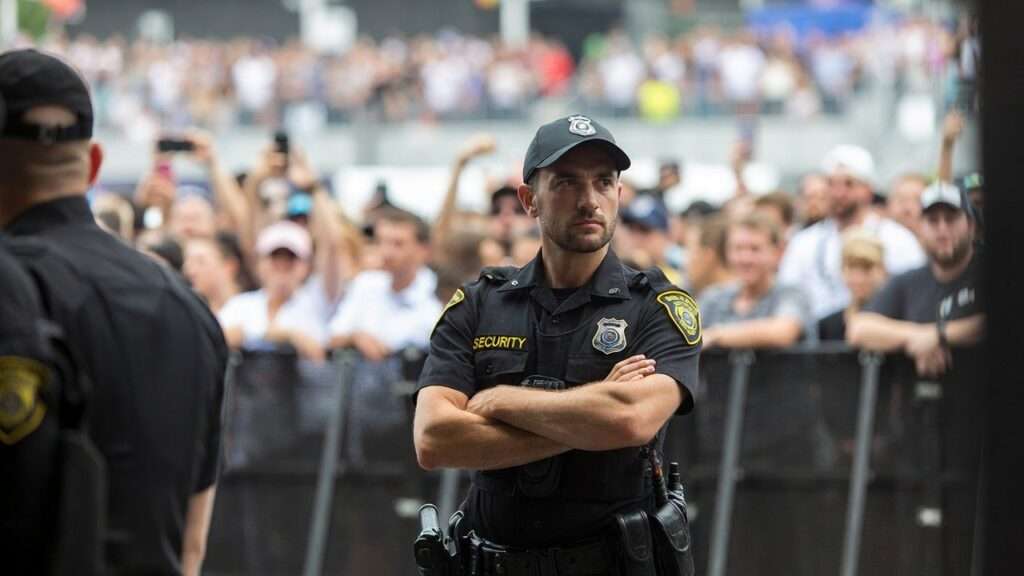
Event security focuses on delivering a safe, well-organized environment from start to finish. It involves careful planning, ongoing risk assessment, and the strategic use of modern technology to protect guests, staff, and critical information. By identifying threats early and implementing preventive measures, security teams maintain constant vigilance to ensure a seamless event experience.
Event security management refers to the comprehensive approach of safeguarding physical and digital spaces, assets, and attendees throughout the lifecycle of an event. It includes risk assessments, on-site security operations, crowd management, emergency response planning, access control, and cybersecurity protocols. Rather than simply reacting to issues, effective security management is proactive — identifying what could go wrong and building measures to prevent it.
Why Strong Event Security Matters
Without robust security practices in place, events can face serious consequences — from accidents and unauthorized access to data breaches and reputational damage. Key reasons event security is essential include:
-
Protecting Safety: Proper planning and trained security staff help prevent injuries, medical emergencies, and physical threats.
-
Preventing Unauthorized Access: Secure entry systems and credential checks ensure only authorised individuals are allowed in.
-
Safeguarding Data: Events often handle sensitive attendee and payment information, requiring strong cybersecurity measures.
-
Ensuring Compliance: Many regions have strict safety regulations for crowd sizes, emergency access, and data protection — compliance avoids fines and legal issues.
-
Maintaining Reputation: A security incident can damage an organiser’s brand and deter future attendees or sponsors.
1. Start With a Detailed Risk Assessment
Good security starts early — from the moment you begin planning. Conducting a thorough risk assessment helps you identify potential vulnerabilities and plan accordingly. Consider:
-
Venue layout: entry/exit points, blind spots, emergency access.
-
Crowd density predictions and potential bottlenecks.
-
Threat scenarios including weather, serious health incidents, or security breaches.
-
Cyber risks such as data leaks or phishing attacks in digital systems.
Collaborate with venue teams, local authorities, and security experts to identify gaps and build mitigation plans — this becomes the foundation for your entire security strategy.
2. Implement Smart Access Control
Controlling who goes where is a cornerstone of event security. Not all attendees should have the same access, especially for large or high-profile events. Some best practices include:
-
Credentialed Entry: Use RFID badges, QR codes, or biometric verification to authenticate guests, staff, and vendors.
-
Tiered Access: Distinguish between public areas and restricted zones like backstage, VIP lounges, or control centres.
-
Digital Check-Ins: Modern systems speed up entry while securing access points and reducing queueing risks.
By integrating layered access control with real-time monitoring, you can significantly reduce the likelihood of unauthorized entry or breaches.
3. Strengthen Cybersecurity and Data Protection
With registration, payments, and event communications increasingly managed online, cybersecurity is now a non-negotiable part of event security. Consider:
-
Encrypted Platforms: Use trusted platforms that secure attendee data and payment details.
-
Multi-Factor Authentication: Apply two-step verification for organisers and staff to reduce account compromise risks.
-
Network Monitoring: Real-time threat detection alerts you to unusual activity that could signal a cyberattack.
Educate your team and attendees on digital security best practices — simple steps like phishing awareness can go a long way.
4. Build a Robust Emergency Response Plan
Not every event goes exactly as planned, so having a structured crisis management plan is crucial. A strong plan should include:
-
Designated emergency teams with clear roles.
-
Established evacuation routes and assembly points.
-
Communication systems like PA announcements, SMS alerts, or event apps to reach attendees quickly.
-
Regular training and simulation drills to ensure teams are prepared.
This structured approach helps keep attendees calm and informed, minimising risk and disruption.
5. Leverage Real-Time Surveillance and Communication
Visibility and responsiveness are important in spotting potential issues before they escalate. Use CCTV and monitoring dashboards to:
-
Track crowd movement and anomaly detection.
-
Identify suspicious behaviours or unattended items.
-
Coordinate security teams instantly using radios or centralized communication channels.
Having eyes on the ground — both human and technology-enabled — empowers your security team to act swiftly when needed.
Proactive Event Security Solutions by Security Hire Melbourne
Security is the foundation of every well-executed event. From detailed risk evaluations and structured access control to advanced cybersecurity and live surveillance, the right event security management approach keeps guests safe, protects confidential information, and minimizes unexpected disruptions. A carefully planned security strategy not only prevents incidents but also builds trust among attendees, stakeholders, and sponsors.
At Security Hire Melbourne, we deliver comprehensive and modern security solutions designed specifically for events of all sizes. Our team works closely with organizers to develop customized protection plans that address both physical and digital risks. We implement secure entry systems, manage crowd flow efficiently, monitor activity in real time, and ensure sensitive attendee data is handled with strict confidentiality.
Our experienced security personnel are trained to respond swiftly and professionally to any situation, whether it’s controlling access to restricted areas, managing large crowds, or coordinating emergency procedures. Using advanced communication tools and surveillance technology, we maintain full situational awareness throughout your event.
By combining strategic planning, skilled manpower, and innovative security systems, Security Hire Melbourne helps you create a safe, controlled, and welcoming environment. With our support, you can focus on delivering a memorable event experience while we handle the protection behind the scenes.
Conclusion
Effective event security management is far more than a checklist — it’s a mindset that prioritises safety without compromising the attendee experience. By investing in proactive planning, state-of-the-art access control, cybersecurity measures, and real-time coordination, you’ll create an event environment where people feel safe, supported, and ready to engage.