
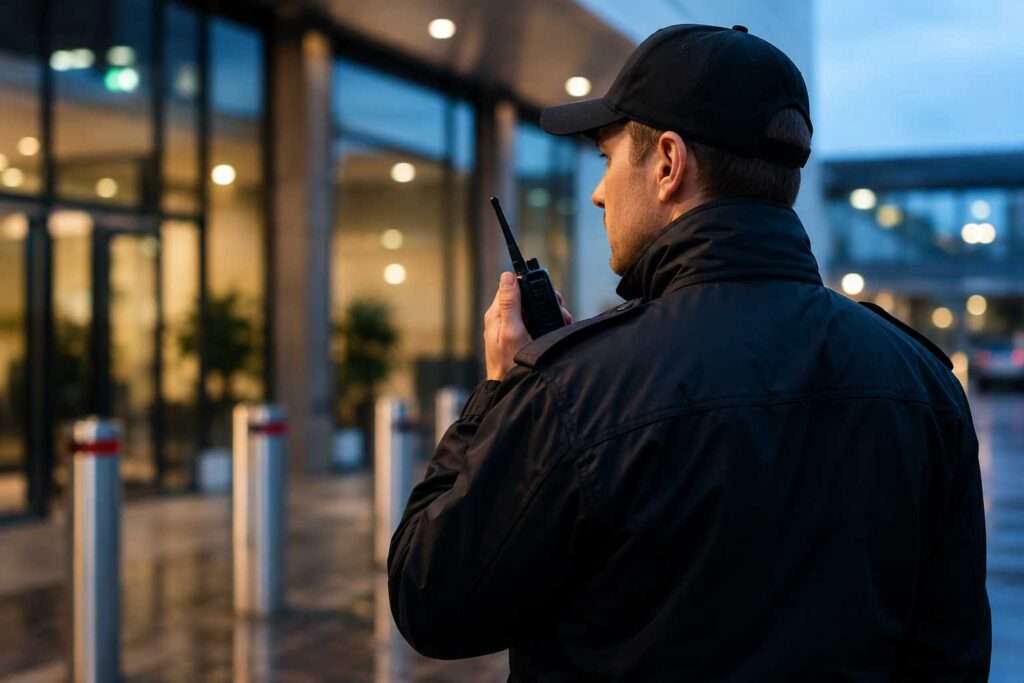
Security guards play a vital role in protecting people, property, and assets. Whether stationed at commercial buildings, residential communities, hospitals, shopping centers, or construction sites, they are often the first line of defense against threats and emergencies. While the job can be rewarding, it also comes with a unique set of challenges that require vigilance, professionalism, and resilience. Understanding these challenges helps organizations better support their security personnel and appreciate the important work they perform every day.
1. Dealing with Unpredictable Situations
One of the biggest challenges security guards face is the unpredictable nature of their work. Every shift can bring unexpected incidents, such as theft, vandalism, trespassing, emergencies, or disturbances. Security guards must remain calm under pressure and make quick decisions that protect people and property.
Because no two situations are exactly alike, guards need strong problem-solving skills and the ability to adapt quickly. Responding effectively to unexpected events often requires training, experience, and excellent judgment.
2. Working Long and Irregular Hours
Security services are often required 24 hours a day, seven days a week. As a result, many security guards work night shifts, weekends, holidays, and extended hours. These schedules can be physically and mentally demanding.
Long shifts can lead to fatigue, reduced concentration, and increased stress. Maintaining alertness throughout an entire shift is especially challenging during overnight assignments when fewer people are present and incidents can be harder to detect.
3. Managing Difficult People
Security guards frequently interact with individuals who may be upset, intoxicated, aggressive, or non-compliant. Handling confrontations professionally while avoiding escalation is a critical part of the job.
Guards must use strong communication and conflict-resolution skills to calm tense situations. Remaining respectful and composed, even when faced with verbal abuse or hostility, can be difficult but is essential for maintaining safety and professionalism.
4. Maintaining Constant Vigilance
A major responsibility of security guards is staying alert at all times. Monitoring surveillance systems, conducting patrols, checking access points, and observing suspicious behavior require continuous attention.
However, maintaining focus during long periods of routine activity can be challenging. Guards must remain attentive even when little appears to be happening, as threats can emerge suddenly. This constant vigilance can be mentally exhausting over time.
5. Facing Physical Risks
Security guards may encounter situations that put their personal safety at risk. They can be exposed to physical confrontations, criminal activity, accidents, or hazardous environments depending on their assignment.
For example, guards working at construction sites, industrial facilities, or large public events may face additional safety concerns. Proper training, protective equipment, and established safety protocols are essential to minimizing these risks.
6. Handling Emergency Situations
Security guards are often among the first responders during emergencies such as fires, medical incidents, natural disasters, or security breaches. In these situations, they must act quickly and efficiently to protect lives and coordinate with emergency services.
The pressure of managing emergencies can be significant. Guards need to remain calm, communicate clearly, and follow emergency procedures while ensuring the safety of everyone involved.
7. Balancing Authority and Customer Service
Many people view security guards as authority figures, but the role often includes customer service responsibilities as well. Guards may assist visitors, provide directions, answer questions, and help create a welcoming environment.
Finding the right balance between being approachable and enforcing rules can be challenging. Security personnel must maintain authority while treating everyone with respect and professionalism.
8. Adapting to New Technology
Modern security operations increasingly rely on advanced technology, including surveillance cameras, access control systems, alarm monitoring software, and mobile reporting tools. While these technologies improve security, they also require guards to continually learn new systems and procedures.
Keeping up with evolving technology can be challenging, especially as security systems become more sophisticated. Ongoing training is necessary to ensure guards can effectively use the tools available to them.
9. Stress and Mental Fatigue
Security work often involves a high level of responsibility. Guards must stay alert, assess risks, and respond appropriately to incidents while maintaining professional conduct at all times.
Over time, the combination of long hours, demanding situations, and constant vigilance can contribute to stress and mental fatigue. Employers that provide adequate support, training, and wellness resources can help security personnel manage these pressures more effectively.
10. Limited Recognition for Their Work
Despite the important role they play in protecting people and property, security guards often work behind the scenes and may not receive the recognition they deserve. Much of their success comes from preventing incidents before they occur, which can make their contributions less visible.
Recognition, appreciation, and support from employers and clients can improve morale and help security personnel feel valued for their efforts.
Conclusion
Security guards face a wide range of challenges, from managing difficult situations and working long hours to maintaining constant vigilance and responding to emergencies. Their role requires a unique combination of professionalism, communication skills, physical readiness, and mental resilience. By understanding these challenges and providing proper training, resources, and support, organizations can help security guards perform their duties effectively while ensuring their well-being. Ultimately, these dedicated professionals play a critical role in creating safer environments for everyone.